

I Don't Recognize Myself Anymore
 Amber Laugherty
October 11, 2026 · 8 min read

She's scrolling through old photos on her phone, looking for the insurance card, and she stops on a picture from four years ago. A hiking trail. Her face in the sun, laughing at something someone said. She stares at it like she's looking at a stranger.
She doesn't hike anymore. She doesn't remember the last time she laughed like that. She doesn't even recognize the person in the photo as herself, because that woman had a Saturday, and this version of her hasn't had one in years.
Why don't I recognize myself anymore?
Because caregiving replaces the inputs identity runs on: time, people, choices. Not all at once. One substitution at a time. The guitar goes into the closet because there's no hour left to practice. The group chat goes quiet because you stop answering and eventually they stop asking. Your calendar stops holding your plans and starts holding his doctor's appointments. You didn't decide to let it happen. You were just trying to get through the week.
The person you were isn't destroyed. She's buried under the role. And grieving her is allowed.
Identity isn't a fixed thing you either have or don't. It's built from what you do, who you see, and what you choose. Caregiving takes all three and replaces them with someone else's needs. You become the person who knows which pharmacy is open late, who remembers the medication schedule, who can recite the neurologist's name from memory. All of that is real work. None of it feels like you.
So when someone asks what you've been up to, or what you do for yourself, you come up empty. Because the answer is him. And somewhere in the middle of all that him, you went quiet.

How the disappearing actually happens
It starts small. You skip book club one week because he had a bad night and you're too tired to drive. The next month you skip it because you forgot it was Thursday. By the third month, nobody texts you the reminder anymore because you didn't quit exactly, you just stopped showing up, and eventually they stopped saving you a seat.
The friend who used to call every Sunday stops calling because you never called back, and she doesn't know you meant to or that you wrote it on the list right under refill the prescriptions and call the insurance company and defrost something for dinner. By the time you looked up it was nine at night and too late to bother anyone.
Your hobbies don't end with a decision. They end with dust. The sewing machine sits in the corner unplugged since March, the running shoes by the door still have their laces tied from the last time, and the book on the nightstand has been open to the same page for six months because you fall asleep before you finish a paragraph.
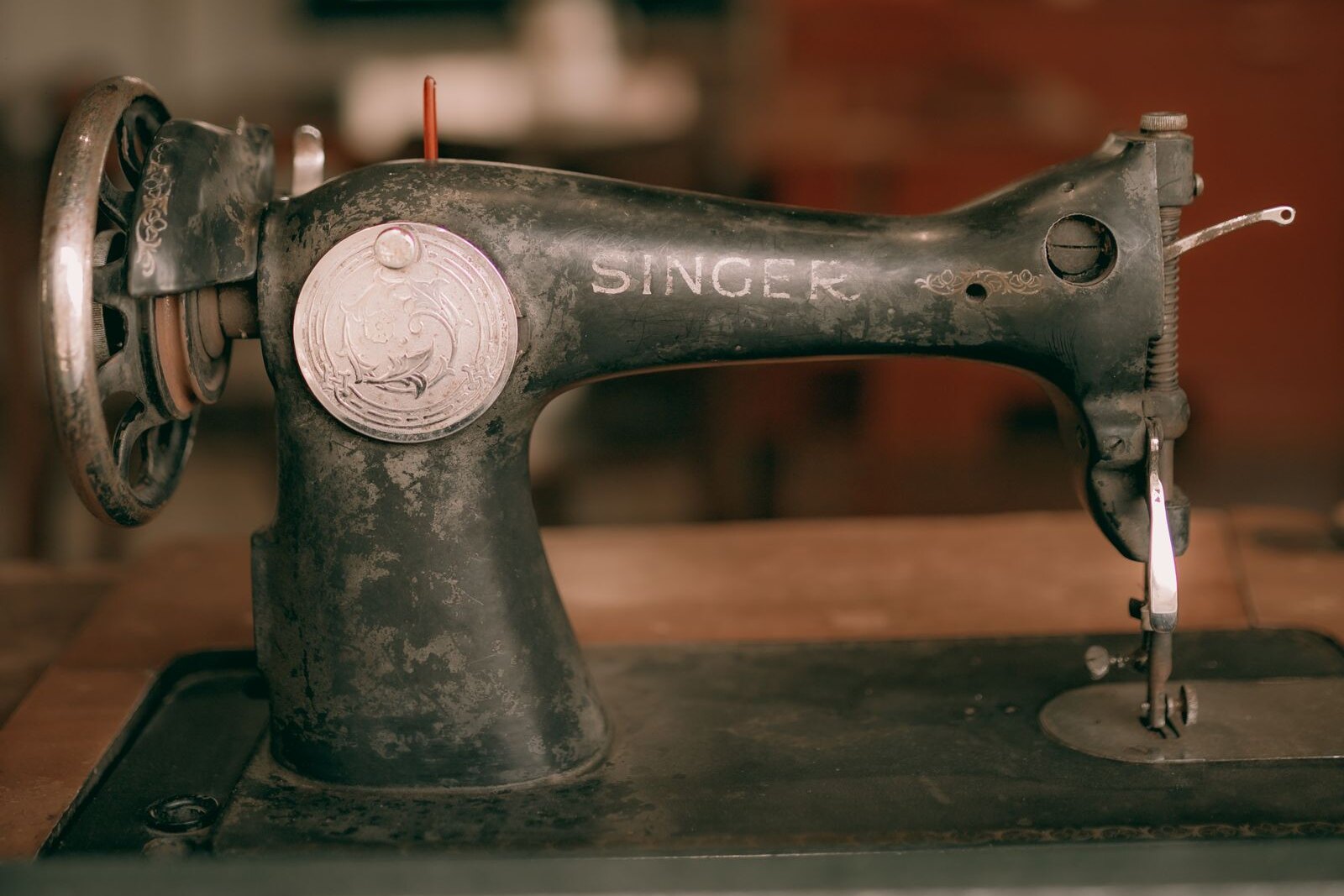
You didn't decide to stop being the person who sewed, or ran, or read, you just ran out of hours, and when the hours are gone, the person who did those things goes quiet too.
People stop asking about you and start asking how he's doing instead. How's your mom? How's your dad? How's your husband? After a while you forget there's supposed to be an answer about you too.
You start introducing yourself by the role. I'm his daughter. I'm her caregiver. I take care of my mom. And one day someone meets you for the first time and that's all they ever know about you, because it's all that's left.
I'm not a wife anymore, I'm a nurse
Seven years in, and he still knows her name, but the person attached to it has changed. She's the one who does his pills, his appointments, the insurance forms he can't read anymore. They still eat dinner at the same table, but she's thinking about tomorrow while he's chewing, and somewhere in all the logistics, the marriage got buried under the care plan.
She loves him, that part isn't in question. What's in question is who she's allowed to be while loving him, and the answer most days is the person who keeps him alive, the one with the pill organizer and the medical supply company's number saved in her phone under favorites.
The daughter three years in knows this feeling too. Her father introduces her to the hospice nurse as "the one who handles everything," and she smiles and shakes the nurse's hand while feeling like a ghost in her own life, because he didn't use her name or call her his daughter, just the role she's been filling for long enough that it's the only part anyone sees.
The role swallows the relationship, and after a while, you're not sure what's left underneath. You're not a partner anymore. You're not a daughter. You're a nurse who happens to live in the same house and used to go by a different name.
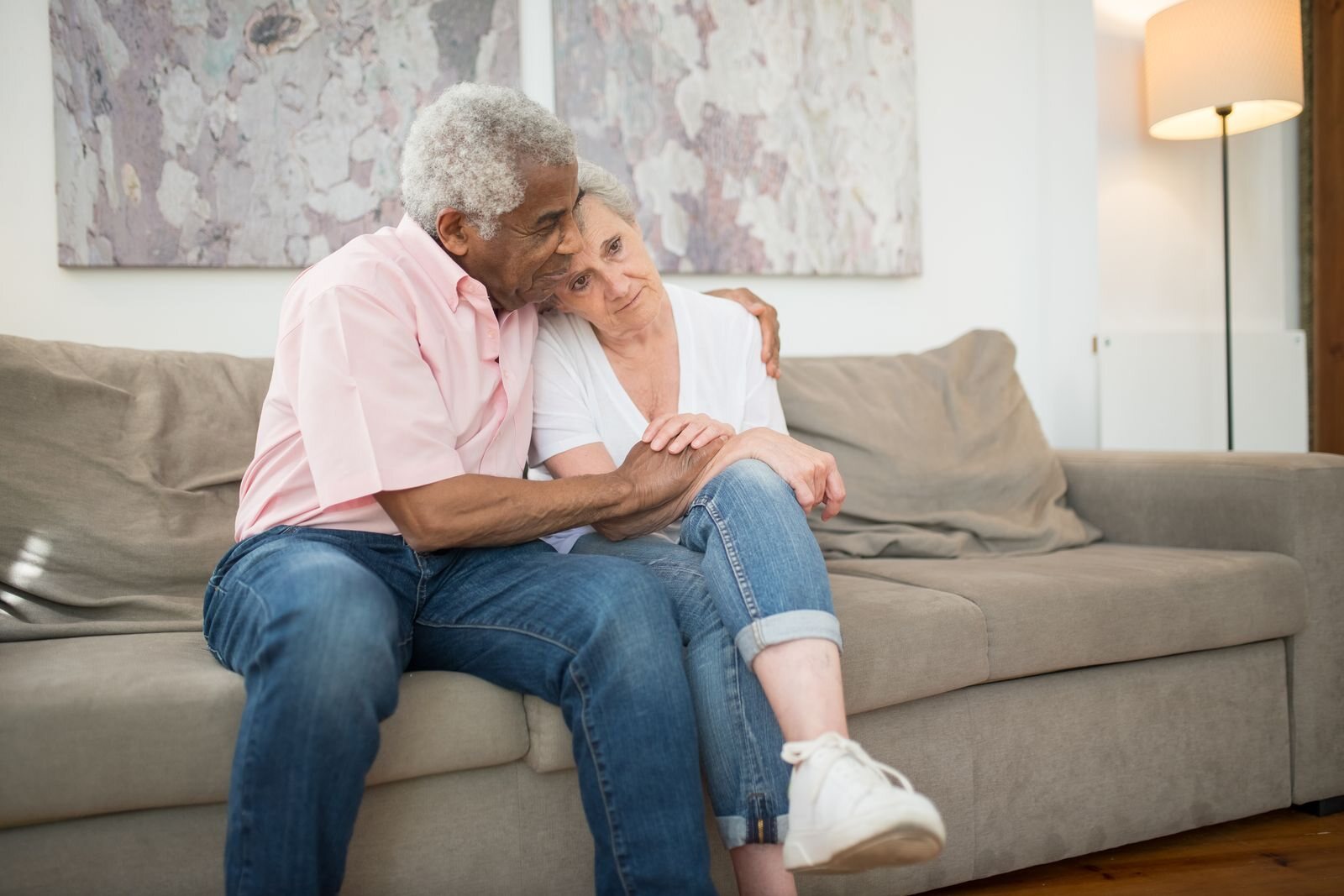
Is she gone? No. Here's the evidence.
A song comes on in the grocery store and you catch yourself humming it without thinking. You didn't choose to hum, it just came out, because somewhere under the schedule, the person who liked that song is still there.
Or you're putting away laundry and you find the shirt you forgot you owned, the one you bought on a trip you took before any of this, and for five seconds you remember what it felt like to be the person who picked it out. The memory surprises you because you thought she was gone, but she's just buried under everything else.
Or someone says something at the pharmacy, some offhand comment about the weather or the long wait, and you make a joke that actually lands and the pharmacist laughs. You didn't plan it, it just came out, and that's her showing up: the person you were before the pill organizer and the daily schedule and the sixty-hour weeks spent keeping someone else upright.
The Field Guide has a whole section on this in the Not Myself chapters, and it calls them glimpses: the moments when the person underneath shows up unannounced with an opinion that surprises you, a laugh you didn't know you still had, or the urge to do something that's yours. They don't last long, but they're proof.
If you can still catch a glimpse, she didn't disappear. She's spending herself every day on someone she loves, doing work that doesn't leave room for much else. But she's still there.



Ten minutes of the old you
You don't need to reinvent yourself. You don't need a weekend retreat or a vision board or three hours you don't have. You need ten minutes doing something that was yours before this started.
The book you stopped reading, the playlist you forgot about, the friend who still answers when you text even though it's been months, or the hobby that ended when you ran out of time. Pick one, set a timer if you have to, and take ten minutes where you're not checking the monitor or running the next errand or thinking about tomorrow's schedule.
It won't fix everything or give you your old life back, but it will remind you that the person who liked that book, or that song, or that friend is still here, buried and tired and barely recognizable some days, but here.
And if ten minutes feels like too much, or if it comes with a wave of guilt that says you don't deserve it, that's normal. The guilt means you've been putting yourself last for so long that doing anything for yourself feels like a betrayal, and it takes time to unlearn that reflex. Ten minutes is resupply, whether the guilt agrees or not.
The two-minute check-in asks what you're carrying and where to start. The person under the role will meet you there.
You're still the daughter
The role is what you do. Your identity is who you are. Caregiving can swallow the first one so completely that it feels like the second one is gone too. But doing his laundry and managing his medications and keeping him safe doesn't erase the fact that you're still his daughter. You're just a daughter doing work that doesn't leave room for much else.
One day, maybe not today and maybe not for a long time, the schedule will open up. The ten minutes will become an hour. The hour will become a Saturday. You'll answer a text thread you've been ignoring for months, or you'll pick up the book, or you'll remember what it feels like to make a plan that's yours.
For now, it's enough to know that the person you're grieving didn't vanish. She's tired. She's buried. Some days she's hard to find. But she's still there, under the schedule and the worry and the seventy-hour weeks spent holding someone else together.
If you can name what's missing, you're still in there.
— Amber.
Frequently Asked Questions
Is it normal to grieve your old life while someone's still alive?
Yes. You're grieving the version of yourself that had time for hobbies, friends, and choices that were yours. That grief is real and allowed. The person you care for is still here.
Will I feel like myself again after caregiving ends?
Many caregivers say it takes time to rebuild, but yes, the person under all this is still there. After caregiving ends, you might find you still wake too early or listen for sounds that aren't coming anymore. The habits stay longer than the role does. But slowly, with space and permission, you start answering to your own name again.
How do I keep any identity while caregiving full-time?
Start with ten minutes doing something that was yours before this. The book you stopped reading, the playlist you forgot about, the friend who still picks up. One small thing that reminds you who you are underneath the schedule. Reinvention isn't required. Ten minutes is enough.
Why do I feel invisible?
When people ask how you're doing, they're usually asking about the person you care for. Your name becomes attached to a role. Your calendar fills with someone else's appointments. Your days are spent on work that doesn't show up anywhere but in the person still standing. Invisible work done by someone everyone's stopped seeing.
*These statements have not been evaluated by the Food and Drug Administration. This product is not intended to diagnose, treat, cure, or prevent any disease.
Keep reading
All articles
Next article
The Kind Lie: When Fibbing Is the Honest Choice
Is it OK to lie to someone with dementia? When the truth causes fresh pain they can't process and the fib protects ...
5 min read
Read
Previous article
Saffron vs Melatonin: Which Helps Which Problem?
Saffron vs melatonin for sleep: how they work differently, who each suits, and why the groggy-morning problem sends...
2 min read
Read
When It's Somehow Only You
When siblings won't help with elderly parents: why the load lands on one person, which fights are winnable, and how...
7 min read
Read